
Streetwear fashion has become one of the most influential styles in the modern world. From luxury fashion runways to everyday casual outfits, streetwear now shapes how millions of people dress.
At the center of this fashion movement is the hoodie. Comfortable, stylish, and practical, the hoodie has evolved from workwear into a cultural icon.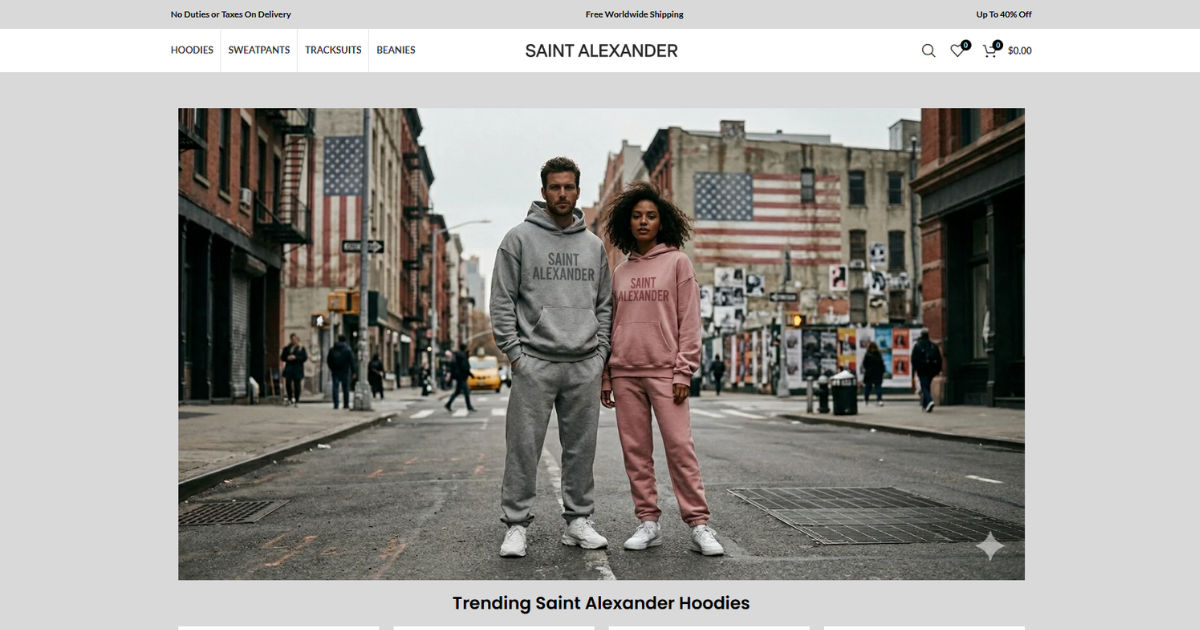
Today, designs like the Saint Alexander Hoodie represent how streetwear hoodies combine fashion, comfort, identity, and self-expression.
The history of streetwear hoodies is much deeper than many people realize. The hoodie has traveled through sports culture, hip-hop scenes, skateboarding communities, and luxury fashion houses before becoming one of the most important fashion items worldwide.
The Saint Alexander Hoodie is one example of how modern brands continue to reshape the meaning of streetwear while honoring its roots.
This guide explores the complete history of streetwear hoodies, how they became popular, why they matter in youth culture, and how pieces like the Saint Alexander Hoodie continue influencing fashion today.
The Early Origins of the Hoodie
The hoodie did not begin as a fashion trend. It started as practical clothing designed for workers who needed warmth during cold weather. In the 1930s, American sportswear companies created hooded sweatshirts for laborers working in freezing warehouses and outdoor environments.
The hood provided extra protection against wind and cold temperatures. Workers appreciated the comfort and warmth, which made hoodies highly functional. At that time, nobody imagined the hoodie would one day become a major fashion statement.
During the early years, hoodies were simple and designed mainly for utility. They were made from thick cotton fabrics that could survive rough working conditions. Over time, athletes and sports teams also began wearing hoodies during training sessions because they helped keep muscles warm.
This practical beginning laid the foundation for modern streetwear culture. Many modern pieces, including the Saint Alexander Hoodie, still focus on comfort and durability while adding fashionable designs and premium materials.
How Sports Influenced Hoodie Culture
Sports played a major role in popularizing hoodies across America. During the 1950s and 1960s, college athletes started wearing hooded sweatshirts during practices and warm-ups. Coaches liked the practical benefits, while students appreciated the relaxed style.
Soon, hoodies became connected with athletic identity and youth culture. Schools and universities printed logos on hoodies, turning them into symbols of pride and community. Students wore them casually around campuses, helping hoodies become part of everyday fashion.
Boxers, football players, and runners also helped increase the hoodie’s visibility. Famous athletes wore hoodies before competitions, creating a strong image of determination and focus. Movies featuring athletes further strengthened the hoodie’s popularity.
The sports influence remains visible in modern streetwear. The Saint Alexander Hoodie reflects this tradition by blending athletic comfort with urban fashion aesthetics.
The Rise of Streetwear in Urban Communities
Streetwear as a fashion movement truly began in urban communities during the 1970s and 1980s. Young people wanted clothing that reflected their lifestyle, creativity, and identity. Hoodies became an important part of this new style.
In cities like New York and Los Angeles, street culture was growing rapidly. Hip-hop music, breakdancing, graffiti art, and skateboarding all influenced fashion choices. Hoodies fit perfectly into these communities because they were affordable, comfortable, and easy to style.
Young people customized hoodies with artwork, logos, and oversized fits. The hoodie became more than clothing. It became a symbol of rebellion, freedom, and individuality.
Brands eventually noticed the popularity of urban fashion. They started creating hoodies specifically designed for streetwear audiences. Today, premium items like the Saint Alexander Hoodie continue this tradition by combining bold design with modern street style.
Hip-Hop Culture and the Hoodie Revolution
Hip-hop culture transformed hoodies into global fashion icons. During the 1980s and 1990s, rappers and hip-hop artists embraced oversized hoodies as part of their signature look.
Artists wore hoodies in music videos, concerts, and album covers. Fans copied their favorite musicians, helping hoodies spread across different countries and cultures. Hip-hop fashion focused on confidence, authenticity, and originality, and hoodies perfectly represented these values.
Streetwear brands grew alongside hip-hop culture. Companies started producing hoodies with larger logos, graphic prints, and unique color combinations. The hoodie became connected with self-expression and creativity.
The Saint Alexander Hoodie represents the continued influence of hip-hop culture on modern fashion. Many streetwear fans wear hoodies not only for comfort but also as symbols of personal identity.
Skateboarding and Streetwear Hoodies
Skateboarding culture also played an important role in hoodie history. Skateboarders needed clothing that allowed free movement while offering protection from weather and falls.
Hoodies became ideal for skaters because they were flexible, durable, and stylish. Skateboarding brands started designing hoodies specifically for young skaters, adding logos and artistic graphics inspired by skate culture.
Skaters often wore oversized hoodies with baggy jeans and sneakers, creating a style that became strongly connected with streetwear fashion. Skate parks became fashion hubs where trends spread quickly.
The influence of skateboarding remains strong today. Many modern streetwear designs, including the Saint Alexander Hoodie, borrow inspiration from skate culture through relaxed fits and casual styling.
Hoodies in the 1990s Streetwear Explosion
The 1990s marked a major turning point for hoodies. Streetwear became mainstream, and hoodies appeared everywhere from music videos to television shows.
Brands like Supreme, Stüssy, and FUBU helped define streetwear during this period. Hoodies featured bold graphics, logos, and oversized silhouettes that reflected youth culture.
Celebrity influence grew rapidly. Athletes, rappers, and actors regularly wore hoodies in public appearances. Young consumers saw hoodies as symbols of coolness and authenticity.
During this decade, hoodies also became connected with underground fashion scenes. Limited-edition hoodies created excitement and exclusivity among fans. This idea continues today with premium items like the Saint Alexander Hoodie, which blends exclusivity with modern street fashion.
Luxury Fashion Embraces Streetwear Hoodies
For many years, luxury fashion ignored streetwear. Traditional fashion houses focused on formal clothing and high-end tailoring. However, this changed during the 2000s and 2010s.
Luxury designers realized younger audiences loved casual fashion. High-end brands began creating designer hoodies using premium fabrics and sophisticated designs. Suddenly, hoodies appeared on fashion runways around the world.
Collaborations between luxury brands and streetwear labels became extremely popular. This fusion changed public opinion about hoodies. They were no longer seen as simple casual clothing. They became luxury fashion statements.
The Saint Alexander Hoodie reflects this modern evolution where streetwear and luxury fashion merge together. Consumers now expect hoodies to provide both comfort and premium style.
The Influence of Celebrity Culture
Celebrities helped transform hoodies into must-have fashion items. Musicians, athletes, influencers, and actors regularly wear hoodies in public, social media posts, and interviews.
Fans closely follow celebrity fashion choices, which strongly influences trends. Oversized hoodies, minimalist designs, and premium streetwear pieces gained popularity because celebrities embraced them.
Social media accelerated this trend. Platforms like Instagram and TikTok allow fashion trends to spread globally within hours. A celebrity wearing a Saint Alexander Hoodie can instantly create massive interest among fans.
Celebrity culture also increased demand for exclusive hoodie drops and limited collections. Streetwear became more connected with hype culture and online fashion communities.
Why Hoodies Became So Popular
Several factors explain why hoodies became one of the world’s most popular clothing items.
Comfort
Hoodies are extremely comfortable. Soft fabrics, relaxed fits, and warm materials make them ideal for everyday wear.
Versatility
Hoodies can be styled in many ways. They work with jeans, joggers, cargo pants, and even layered fashion outfits.
Identity
Streetwear hoodies help people express personality and lifestyle. Many people wear hoodies connected to their favorite brands, music scenes, or cultural movements.
Gender Neutral Appeal
Hoodies are popular among all genders. Their universal appeal makes them accessible to diverse fashion audiences.
Seasonal Flexibility
Hoodies can be worn during different seasons, especially lightweight and layered versions.
The Saint Alexander Hoodie captures these qualities by combining comfort, versatility, and identity-driven fashion.
The Evolution of Hoodie Designs
Streetwear hoodies have changed dramatically over the decades. Early hoodies were simple and functional. Modern hoodies feature advanced designs, premium materials, and artistic creativity.
Oversized Fits
Oversized hoodies became popular through hip-hop and skate culture. Many streetwear fans still prefer relaxed silhouettes.
Graphic Prints
Bold graphics, artwork, and logos became defining features of streetwear hoodies.
Minimalist Styles
Some modern brands focus on clean and simple hoodie designs with subtle branding.
Premium Fabrics
Luxury streetwear hoodies often use heavyweight cotton, fleece lining, and high-quality stitching.
Limited Releases
Exclusive hoodie drops create excitement and collectability.
The Saint Alexander Hoodie reflects many of these modern design trends while maintaining the traditional comfort associated with hoodies.
Streetwear Hoodies and Youth Culture
Youth culture has always driven streetwear trends. Teenagers and young adults use fashion to express individuality and social identity.
Hoodies became symbols of independence and creativity. Young people often customize hoodies through styling choices, accessories, and layering techniques.
Schools, music festivals, and urban communities helped spread hoodie culture globally. Young consumers connected hoodies with freedom, rebellion, and authenticity.
The Saint Alexander Hoodie appeals strongly to modern youth culture because it blends classic streetwear influences with contemporary fashion trends.
The Role of Social Media in Hoodie Fashion
Social media completely transformed streetwear marketing. Platforms like Instagram, TikTok, and YouTube allow brands to showcase hoodies directly to audiences worldwide.
Fashion influencers regularly post styling ideas featuring hoodies. Viral trends can quickly increase demand for specific designs and brands.
Streetwear communities online also discuss limited releases, collaborations, and fashion styling tips. This digital culture keeps hoodies constantly relevant.
The Saint Alexander Hoodie benefits from this online fashion ecosystem, where visual branding and influencer culture strongly impact consumer behavior.
Sustainability and Modern Streetwear Hoodies
Modern consumers increasingly care about sustainability and ethical fashion practices. Streetwear brands now focus more on environmentally friendly production methods.
Some hoodie manufacturers use organic cotton, recycled materials, and ethical labor practices. Consumers appreciate brands that balance fashion with social responsibility.
Sustainable fashion may shape the future of hoodies significantly. Younger generations often support brands that align with environmental values.
As streetwear evolves, pieces like the Saint Alexander Hoodie may continue adapting to changing consumer expectations regarding sustainability and quality.
How to Style Streetwear Hoodies
Streetwear hoodies are extremely versatile and easy to style.
Casual Everyday Look
Pair a hoodie with jeans and sneakers for a relaxed outfit.
Layered Streetwear Style
Wear a hoodie under a denim jacket or oversized coat for added depth.
Athletic Fashion
Combine hoodies with joggers and sports sneakers for a sporty appearance.
Minimalist Outfit
Choose neutral-colored hoodies with clean designs for a simple aesthetic.
Luxury Streetwear
Premium hoodies like the Saint Alexander Hoodie can be styled with tailored pants and designer sneakers for an elevated look.
The Future of Streetwear Hoodies
Streetwear hoodies continue evolving as fashion trends change. Technology, sustainability, and digital culture will likely influence future hoodie designs.
Smart fabrics, innovative materials, and customizable designs may become more common. Virtual fashion and online gaming culture may also impact hoodie aesthetics.
Streetwear’s global influence continues growing, especially among younger generations. Hoodies remain central to this movement because they balance comfort, style, and identity.
The Saint Alexander Hoodie represents the modern direction of streetwear fashion, where quality, exclusivity, and self-expression combine together.
Why Streetwear Hoodies Remain Timeless
Fashion trends often change quickly, but hoodies continue remaining popular decade after decade. Their timeless appeal comes from their ability to adapt to different cultures and fashion movements.
From workers in cold warehouses to luxury fashion enthusiasts, hoodies connect people through comfort and style. Few clothing items have achieved such universal relevance.
Streetwear hoodies also reflect social and cultural changes. They tell stories about music, sports, youth identity, and urban creativity.
The Saint Alexander Hoodie continues this legacy by representing the modern evolution of a timeless fashion essential.
Conclusion
The history of streetwear hoodies is a story of transformation. What began as simple workwear in the 1930s evolved into one of the most powerful fashion symbols in the world. Hoodies became deeply connected with sports, hip-hop, skateboarding, youth culture, and luxury fashion.
Streetwear hoodies represent more than clothing. They symbolize comfort, identity, creativity, and cultural expression. Over the decades, they have adapted to changing fashion trends while maintaining their original practicality and universal appeal.
Modern pieces like the Saint Alexander Hoodie show how streetwear continues evolving while respecting its roots. Today’s hoodies combine premium craftsmanship, stylish design, and cultural significance in ways earlier generations could never imagine.
As fashion continues changing, hoodies will likely remain essential because they connect generations, cultures, and lifestyles. Their journey from factory uniforms to global fashion icons proves that simple clothing can become a lasting cultural movement.